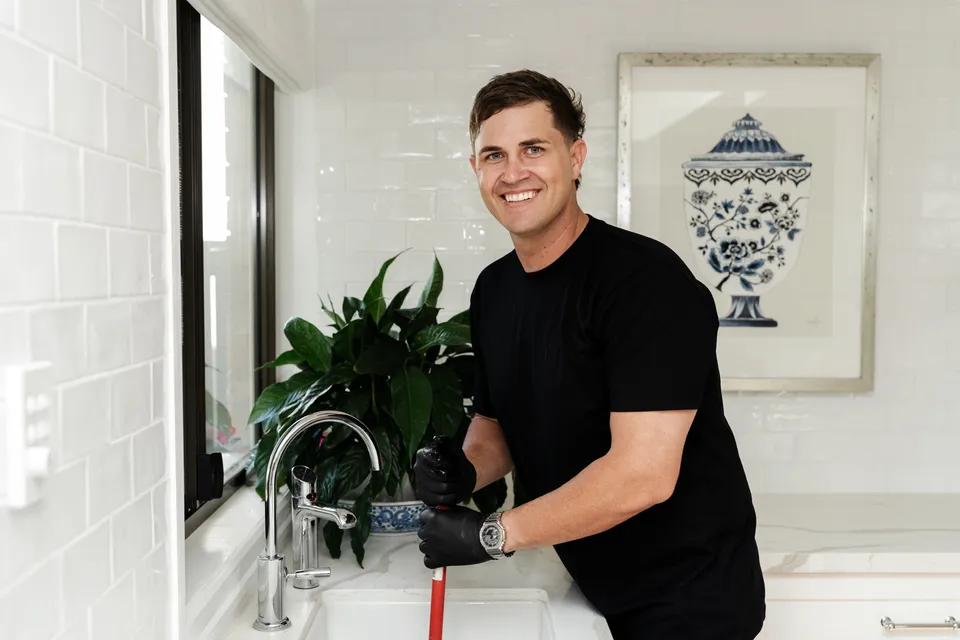
Quick Repairs
The parts that wear, and the faults they cause:
- tap repairs for washers, cartridges and valve seats;
- toilet repairs for the inlet and outlet valves, the seals and the pan connector.
A tap you can't shut off or a toilet that refills itself all night: that's the booking we get more than any other. Our tap and toilet repairs Caboolture work covers every fixture from the kitchen to the laundry, and every job is done by a licensed plumber. We turn up same-day where we can; if a fixture in Caboolture plays up, this page sorts the quick fix from the replacement.
If we're late, $100 comes off your bill
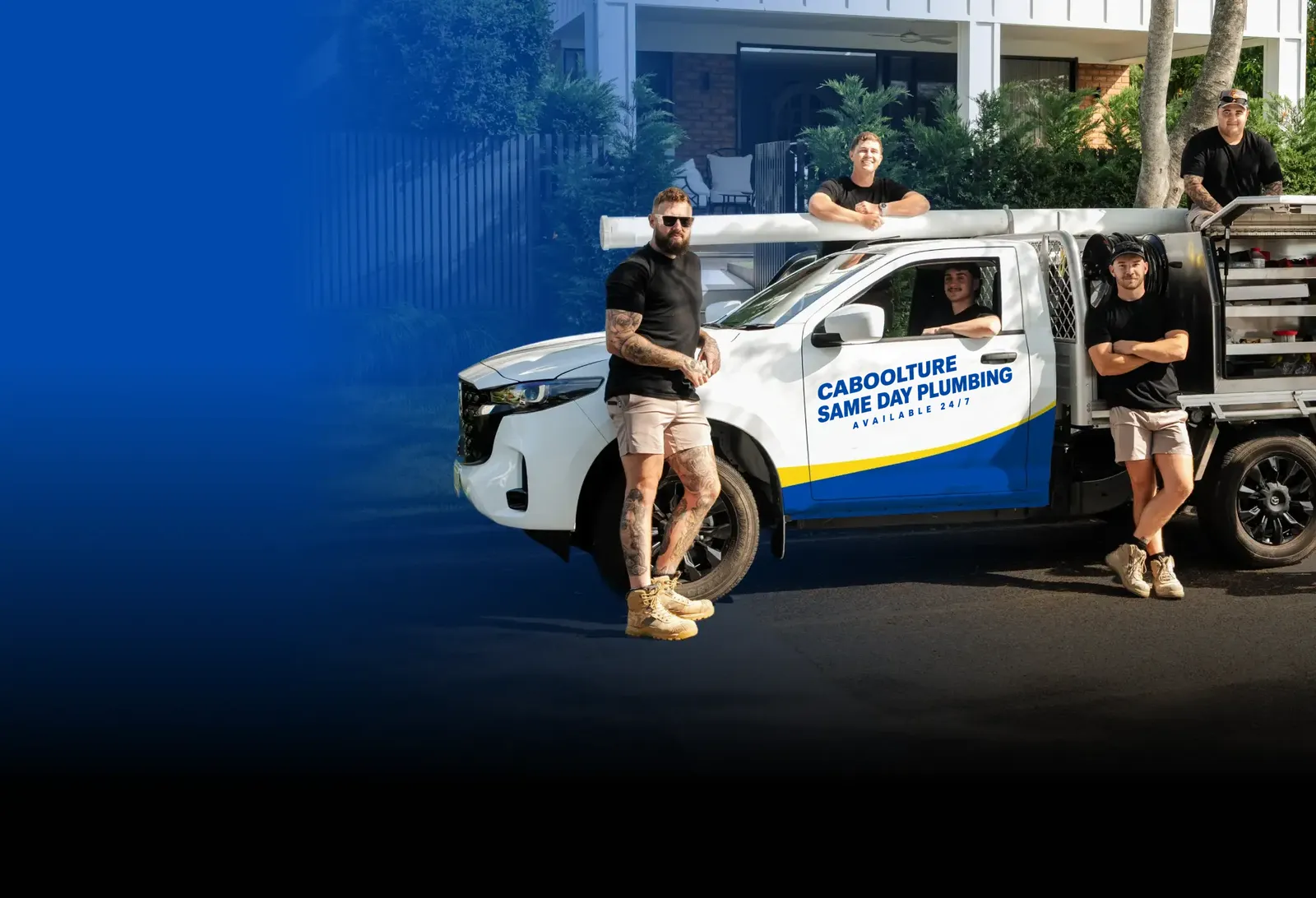
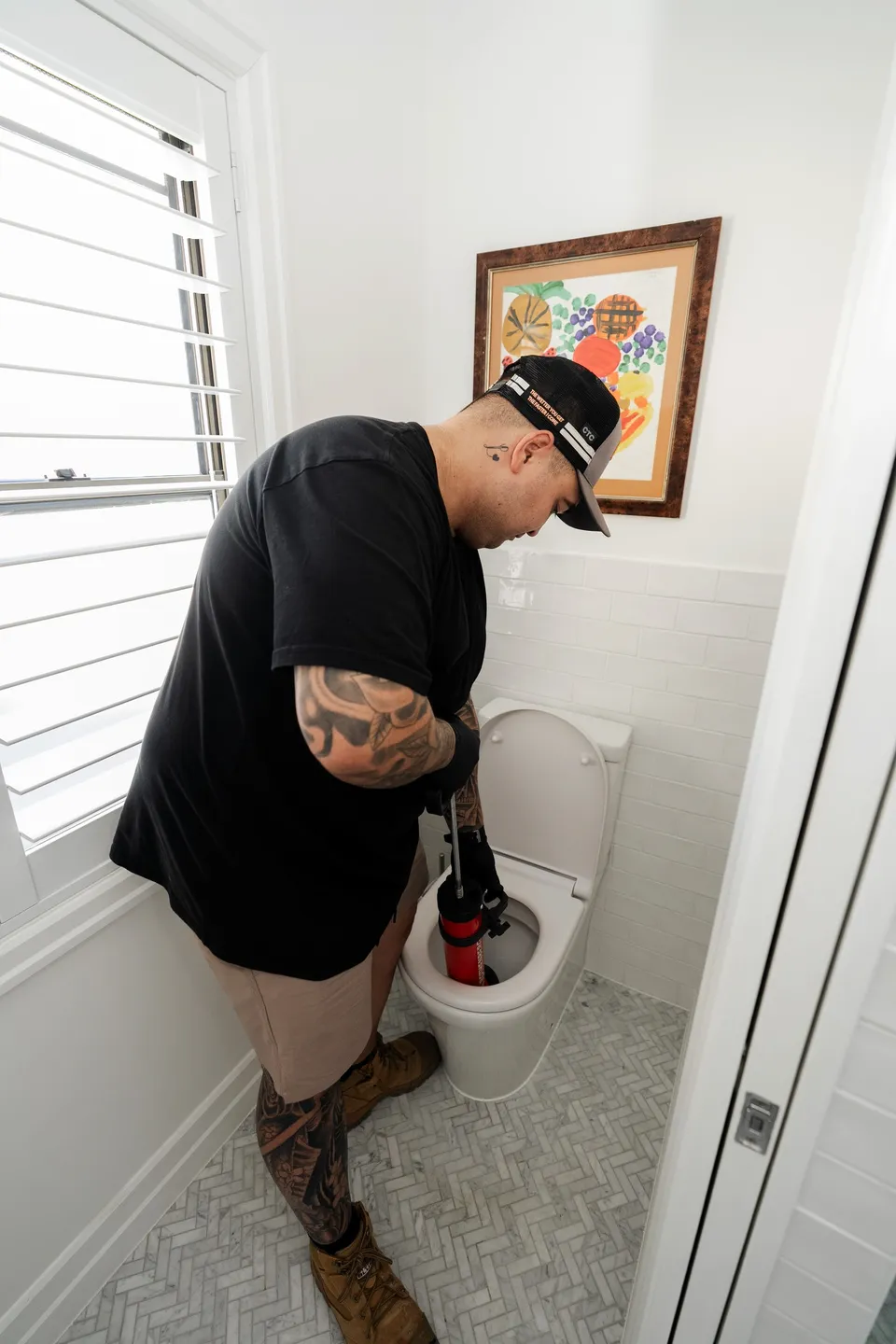
A worn washer, cartridge or inlet valve sits behind nearly every drip and slow fill. Cracks in the tap body, the cistern or the pan are where replacing starts. Here is how the line runs in practice.
A dripping tap with a jumper valve usually needs a fresh washer or a seat tidied up with a reseating tool. A dripping mixer usually needs a new ceramic disc cartridge.
A cistern that runs or leaks is usually cured by fitting a new inlet valve and outlet washer. The flush buttons, the float and the seals come out the same way, one part at a time.
The town's housing stock runs from the 1960s to now: the older grid around George Street still hands us washer taps, while newer fills on the fringe arrive with mixers. The fixture's decade usually names the worn part before we open anything.
Cracks change the maths. A split pan, a cracked cistern or a tap corroded through gets replaced rather than patched. A fixture needing the same repair twice a year can also cost less to swap than to keep fixing, which we judge once we see it.
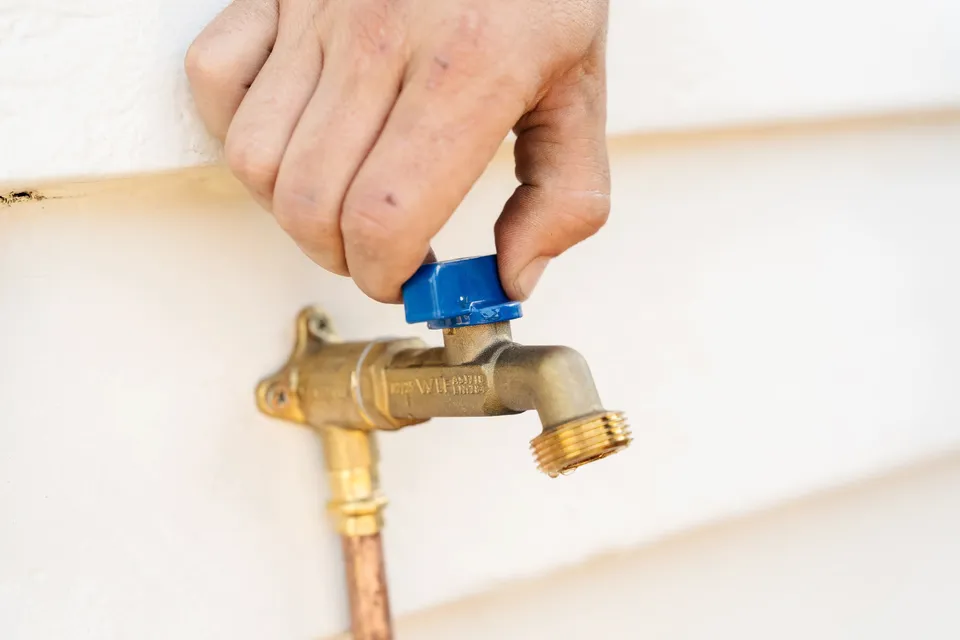
Only a licensed plumber may do most of this work: Queensland leaves just a handful of tap and toilet jobs unregulated, and everything else is minor or notifiable.
Unregulated work. Anyone with the appropriate knowledge and level of skill may do it, with no licence, approval or report needed. The finished work still has to meet the standards the legislation and codes set.
For taps and toilets, the QBCC's unregulated list runs to:
The list stops there. Replacing a whole tap is licensed work; the QBCC's own guide uses that exact job as its example of what sits outside the home owner list.
Repairing or replacing a tap or toilet fitting is minor work: a QBCC licensee handles it, and neither a permit nor a Form 4 comes into it.
Installing a new fixture, or shifting an existing one, is notifiable work. No council permit applies; your plumber lodges Form 4 with the QBCC inside 10 business days of finishing, and you get a copy.
The Water Efficiency Labelling and Standards (WELS) scheme is the labelling system that registers taps and toilets and shows their star rating and water use on the label. Under the Residential Tenancies Authority's water charging rules, an owner who wants a tenant to cover the full water account has to meet flow limits first.
Cold taps indoors, mixers included, are capped at 9 litres per minute. A dual flush toilet is capped at 6.5 litres on a full flush and 3.5 on a half flush, with the average flush no more than 4 litres.
The cap covers cold taps over a basin, kitchen sink or laundry trough, single mixers included. Bath taps, garden taps and the taps serving a washing machine or dishwasher are exempt.
Certification matters too. Any tap, toilet or cistern installed in Australia needs WaterMark certification as well as WELS registration before a licensed plumber can legally fit it.
Queensland's sustainable housing rules set minimum stars for a new house, townhouse or sole-occupancy unit: 3 stars for tap fittings and showerheads, 4 stars for the dual flush toilet. Renovations are exempt from those minimums.
At the last census, 33.7 per cent of Caboolture dwellings were owned with a mortgage and 20.8 per cent outright, so a healthy share of the rest are tenanted. Owners who bill a tenant for water check these limits first.

No, the concealed leak adjustment from Unitywater excludes water lost through leaking taps and running cisterns, so the owner wears the cost. The adjustment covers hidden leaks on buried pipe. A dripping fixture is not hidden, and every drop passes through the meter on its way out.
A slow drip can waste thousands of litres before a year is out, and it all reads on the meter. Homes along Pumicestone Road and the older streets near the station carry the same maths: the drip shows up on your bill, not the utility's. The practical move is the same either way: repair the drip, then watch the meter dial before and after to confirm the flow has stopped.
Each of these pages takes one job in full, from diagnosis to the finished repair:
The parts that wear, and the faults they cause:
When repair gives way to replacement:
The jobs on the edges of this run:
$0 call-out fees, available 24/7, and same-day where we can.

Call (07) 3520 4094 or send a quick message about the job in Caboolture, and we'll ask what we need to know.

Your plumber isolates the water at the fixture or the meter, strips the tap or cistern down, and names the worn part. You see what has failed before any part gets ordered or fitted.
You'll see a fixed quote before any work starts, with flat-rate pricing and no hidden fees. The job starts when you're happy with it.

Pay by card or EFTPOS on site after the work's finished, or choose Fix now, pay later.
There are $0 call-out fees on every Caboolture job, with no extra fee for nights, weekends or public holidays.
A fixed quote before any work starts means flat-rate pricing and no hidden fees on your invoice.
Our Fix-It-or-It's-Free guarantee covers you (T&Cs apply), labour has a lifetime labour warranty, and if we're late, $100 comes off your bill.
QBCC No: 15024607 covers our licensed plumbing and gasfitting. Every job is done by a licensed plumber, and we're licensed and insured.
We handle drips and leaks at the spout, the handle or the base, cisterns that run or fill slowly, weak flushes, and faulty stop taps and connections. The tap repairs page covers the washer and cartridge side, and toilet repairs takes the cistern and pan.
Yes, Queensland's water charging rules set them. Cold taps indoors and single mixers need to run at 9 litres per minute or less. A dual flush toilet is limited to 6.5 litres for a full flush and 3.5 for a half.
No, Unitywater writes that adjustment for hidden leaks on buried pipes, and its policy leaves out water lost through dripping fixtures. Anything leaking on the property side of the meter is the owner's to fix and pay for.
Queensland tenancy law makes repairs the owner's or manager's job, and the tenant reports faults as soon as they notice them. A toilet that will not flush, or one broken outright, counts as an emergency repair.
Unitywater maintains the public mains up to your water meter. Every pipe and fitting on the house side of that meter belongs to you as the owner, including the lines feeding your taps.
Yes, every job carries $0 call-out fees, with no extra charge for nights, weekends or public holidays.

Call (07) 3520 4094 to book a plumber in Caboolture. We're available 24/7, with $0 call-out fees, flat-rate pricing and same-day where we can.
Current offers:
T&Cs apply. Mention this offer when booking.
To claim your $0 call-out fee, call (07) 3520 4094 today.